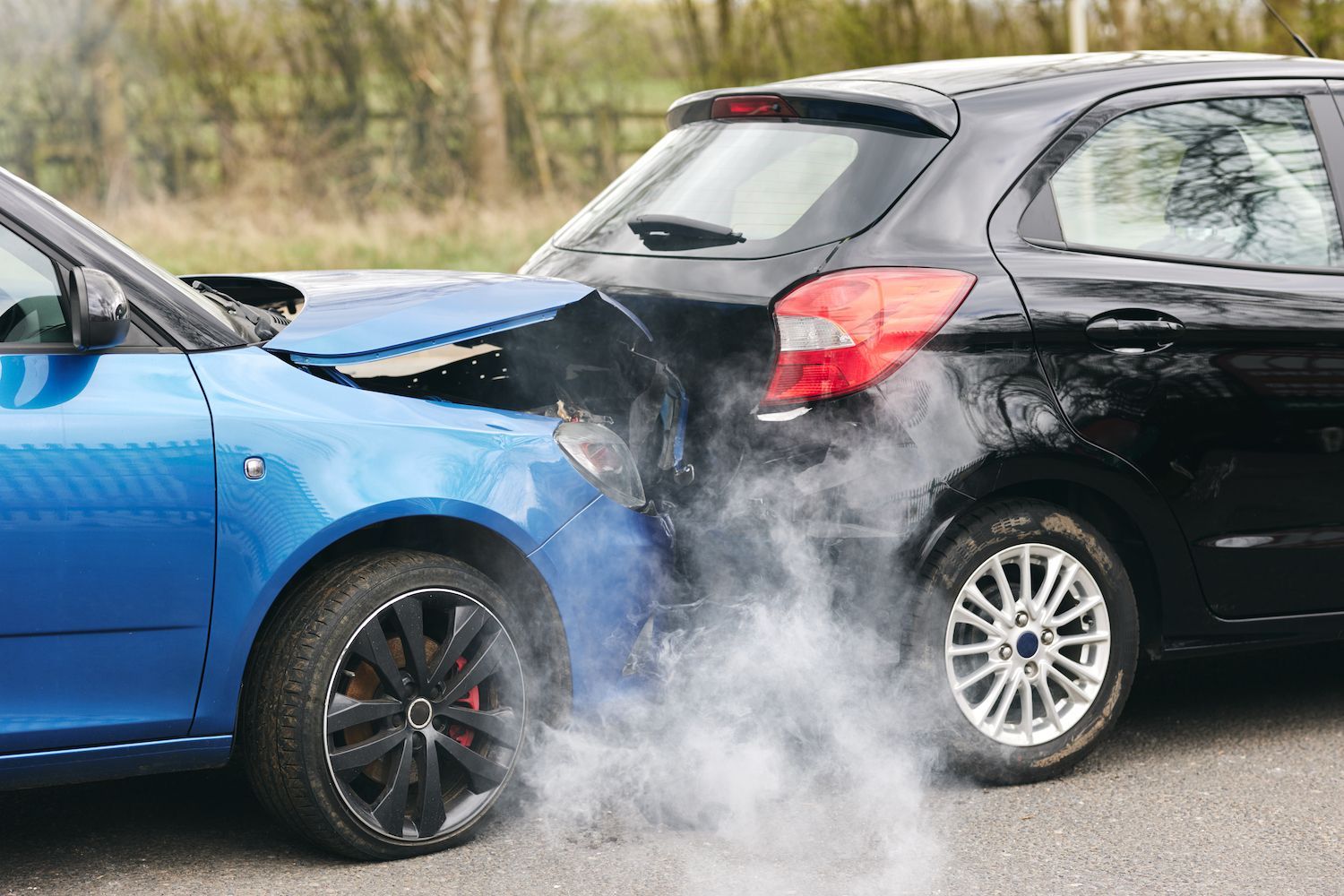
Who Pays When You Are Injured in an Uber or Lyft Accident in Missouri?
About the Author
Ethan Charles (“EC”) Duckworth is the founding attorney of Duckworth Injury Law. EC earned his law degree from the University of Missouri - Columbia, where he graduated in the top 10 of his class and served as an Editor of the Missouri Law Review. EC currently serves as a member of the Missouri Association of Trial Attorneys (MATA) and is a graduate of the Ross T. Roberts Trial Academy. EC has represented hundreds of injury victims throughout his career resulting in tens of millions of dollars in compensation recovered. EC routinely handles personal injury claims involving rideshare motor vehicle accidents.
How Rideshare Accident Insurance Claims Work in Missouri
Rideshare services like Uber and Lyft have become a routine part of getting around Columbia and throughout Missouri. But when an Uber or Lyft vehicle is involved in a crash, determining who is responsible for paying an injured person’s damages can be more complicated than in an ordinary car accident.
The reason is that there may be several potentially applicable insurance policies. Depending on the circumstances, a claim might involve the rideshare driver’s personal automobile insurance, insurance maintained by Uber or Lyft, the insurance company for another driver who caused the crash, or potentially uninsured or underinsured motorist coverage.
Missouri Requires Special Insurance for Rideshare Drivers
Missouri law specifically regulates insurance coverage for transportation network companies, commonly referred to as TNCs. Companies such as Uber and Lyft generally fall within this category.
Under Missouri law, a rideshare driver or the rideshare company on the driver's behalf must maintain automobile insurance that recognizes the vehicle is being used for rideshare services and provides coverage while the driver is logged into the company's network or providing a prearranged ride. However, the amount and type of coverage that may be available can depend significantly upon whether the driver was simply logged into the app or had already accepted a ride. That distinction can become extremely important after a serious accident.
What If the Uber or Lyft Driver Was Not Logged Into the App?
When a rideshare driver is not logged into Uber, Lyft, or another rideshare platform and is simply using the vehicle for personal purposes, the accident generally looks much more like an ordinary automobile accident. In that situation, the driver's personal automobile insurance would ordinarily be the primary source of liability coverage if the driver caused the collision.
Uber states that its rideshare insurance does not apply while a driver is offline, and Lyft similarly states that its insurance does not apply when the driver's app is off. For an injured passenger in another vehicle, pedestrian, bicyclist, or other person injured by the driver, the claim would therefore generally begin with the driver's personal auto insurance. The analysis changes once the driver logs into the rideshare application.
What If the Driver Was Logged Into Uber or Lyft but Had Not Accepted a Ride?
Missouri law requires additional insurance coverage while a rideshare driver is logged into the rideshare network and available to receive ride requests, even if the driver has not yet accepted a passenger.
During this period, Missouri requires at least $50,000 in bodily injury liability coverage per injured person, $100,000 in bodily injury coverage per accident, and $25,000 in property damage coverage. Missouri law also requires uninsured motorist coverage during this period. See RSMo. § 379.1702.
Both Uber and Lyft currently describe similar minimum liability limits for drivers who are online and available to receive rides but have not yet accepted a trip. This can matter if, for example, an Uber driver is driving through Columbia waiting for the next ride request and causes an accident. Although there is no passenger in the vehicle and no ride has been accepted, the fact that the driver was actively logged into the Uber application may trigger insurance coverage that would not otherwise exist. Determining the driver's status at the precise time of the collision can therefore be an important part of investigating a rideshare accident claim.
What If the Driver Had Accepted the Ride or Had a Passenger?
Significantly more liability coverage is generally required once the rideshare driver accepts a ride. Missouri defines a "prearranged ride" as beginning when the driver accepts a passenger's ride request through the rideshare company's digital network. It continues while the driver travels to and transports the passenger and ends when the last requesting passenger leaves the vehicle.
During a prearranged ride, Missouri requires at least $1 million in primary automobile liability insurance covering death, bodily injury, and property damage. Missouri law also requires uninsured motorist coverage. See RSMo. § 379.1702.
This means you do not necessarily have to already be sitting inside the Uber or Lyft vehicle for the higher level of coverage to potentially apply. Once the driver has accepted the ride and is traveling to pick up the passenger, Missouri law considers the driver to be engaged in a prearranged ride. Uber and Lyft likewise state that they generally maintain at least $1 million in third-party liability coverage while a driver is traveling to pick up a passenger or during the passenger's trip. For someone seriously injured because of a rideshare driver's negligence, the difference between the available coverage during these periods can obviously be substantial.
What If You Are a Passenger and Your Uber or Lyft Driver Causes the Accident?
Suppose you are riding in an Uber in Columbia when your driver runs a red light and causes a collision. Your claim would generally be against the negligent rideshare driver. Because you were a passenger during a prearranged ride, the rideshare insurance required under Missouri law would potentially provide up to at least $1 million in liability coverage for the accident.
That insurance could potentially compensate you for damages such as medical expenses, lost income, pain and suffering, and other losses resulting from your injuries. Of course, having insurance available does not mean the insurance company will automatically pay fair compensation. The insurer may still dispute whether the rideshare driver caused the collision, whether all of the medical treatment was related to the accident, whether treatment was reasonable and necessary, or the value of the injured person's pain and suffering and other damages. The claim still must be investigated, documented, and presented like any other significant personal injury claim.
What If Another Driver Hits Your Uber or Lyft?
A different situation arises when the rideshare driver did nothing wrong and another motorist caused the crash.For example, suppose you are riding in a Lyft when another vehicle runs a stop sign and crashes into your Lyft driver. In that situation, your primary liability claim would ordinarily be against the negligent driver who caused the collision and that driver's automobile insurance company.
Problems can arise, however, when the at-fault driver has little or no insurance. Missouri's rideshare statute requires uninsured motorist coverage while a rideshare driver is logged into the network and while the driver is engaged in a prearranged ride. Depending upon the facts and applicable insurance policies, there may therefore be additional coverage available when an uninsured driver causes an accident involving a rideshare vehicle. Underinsured motorist coverage can be more policy-specific and should also be investigated in serious injury cases. When injuries are significant, identifying every potentially available insurance policy can be just as important as determining who caused the wreck.
What If You Are Hit by an Uber or Lyft Driver While Driving Your Own Vehicle?
You do not have to be an Uber or Lyft passenger to have a rideshare insurance claim.A rideshare driver may cause an accident with another motorist, pedestrian, bicyclist, or motorcycle rider. In those circumstances, the rideshare driver's activity at the time of the collision can still determine which insurance coverage applies.
If the driver was offline, the driver's personal insurance would generally be the starting point. If the driver was logged into the application and waiting for a passenger request, the intermediate rideshare coverage may apply. If the driver had already accepted a ride or was transporting a passenger, the $1 million coverage required for a prearranged ride may potentially apply.
For this reason, one of the first questions after discovering that another driver was working for Uber or Lyft should be whether the driver was logged into the application and whether a ride had already been accepted.
Why the Driver's Personal Insurance May Not Be Enough
Many people assume that the rideshare driver's ordinary automobile insurance policy will simply cover any accident involving the vehicle. That is not necessarily the case. Missouri law allows personal automobile insurers to exclude coverage for accidents occurring while a driver is logged into a transportation network company's system or providing a prearranged ride. These exclusions can potentially apply to liability coverage, uninsured and underinsured motorist coverage, medical payments coverage, collision coverage, and other portions of a personal automobile policy.
Missouri law specifically requires rideshare companies to warn prospective drivers that their personal automobile policy might not provide coverage while they are logged into the rideshare network or providing a ride. This is one reason rideshare accident claims can become complicated very quickly. There may be multiple insurers involved, and each insurer may take a different position regarding which company is responsible for the claim.
Evidence About the App Can Be Important
In an ordinary car accident case, the primary questions frequently involve how the collision occurred and which driver was at fault. A rideshare accident adds another issue: what exactly was happening within the driver's Uber or Lyft account immediately before the crash? Was the application turned off? Was the driver logged in and waiting for a request? Had the driver already accepted a passenger? Was the driver traveling toward the pickup location? Was a passenger already in the vehicle?
Those facts may determine whether the applicable liability coverage is a personal automobile policy, the lower level of rideshare coverage applicable while waiting for a request, or the substantially higher coverage applicable once a prearranged ride begins. Missouri law requires a rideshare driver involved in an accident to provide insurance information and, upon request, disclose whether the driver was logged into the rideshare network or engaged in a prearranged ride at the time of the collision.In cases involving substantial injuries, it may also become necessary to obtain additional records regarding the driver's app activity and the timing of the ride.
Injured in an Uber or Lyft Accident in Missouri?
Uber and Lyft accident claims are still automobile accident cases, but the insurance issues can be considerably more complicated.
Depending upon the circumstances, an injured person may have a claim against the rideshare driver's personal automobile insurer, insurance maintained by Uber or Lyft, another negligent driver's insurance company, or uninsured or underinsured motorist coverage. The amount of insurance available may also depend heavily upon whether the rideshare driver was offline, waiting for a ride request, traveling to pick up a passenger, or actively transporting a passenger.
If You’ve Been Injured in a Rideshare Accident, Contact Duckworth Injury Law for a Free Consultation
If you have been seriously injured in an Uber, Lyft, or other rideshare accident in Columbia, Jefferson City, Fulton, Sedalia, the Lake of the Ozarks region, or elsewhere in Mid-Missouri, Duckworth Injury Law can investigate the crash, determine what insurance coverage may be available, and help you pursue compensation for your injuries.
Duckworth Injury Law represents injured people throughout Mid-Missouri. If you have questions about a rideshare accident claim, contact our office for a free consultation.
This article provides general information about Missouri law and is not legal advice. Reading it does not create an attorney-client relationship. The law and the deadlines applicable to a particular claim depend on its specific facts.
Share This Post